
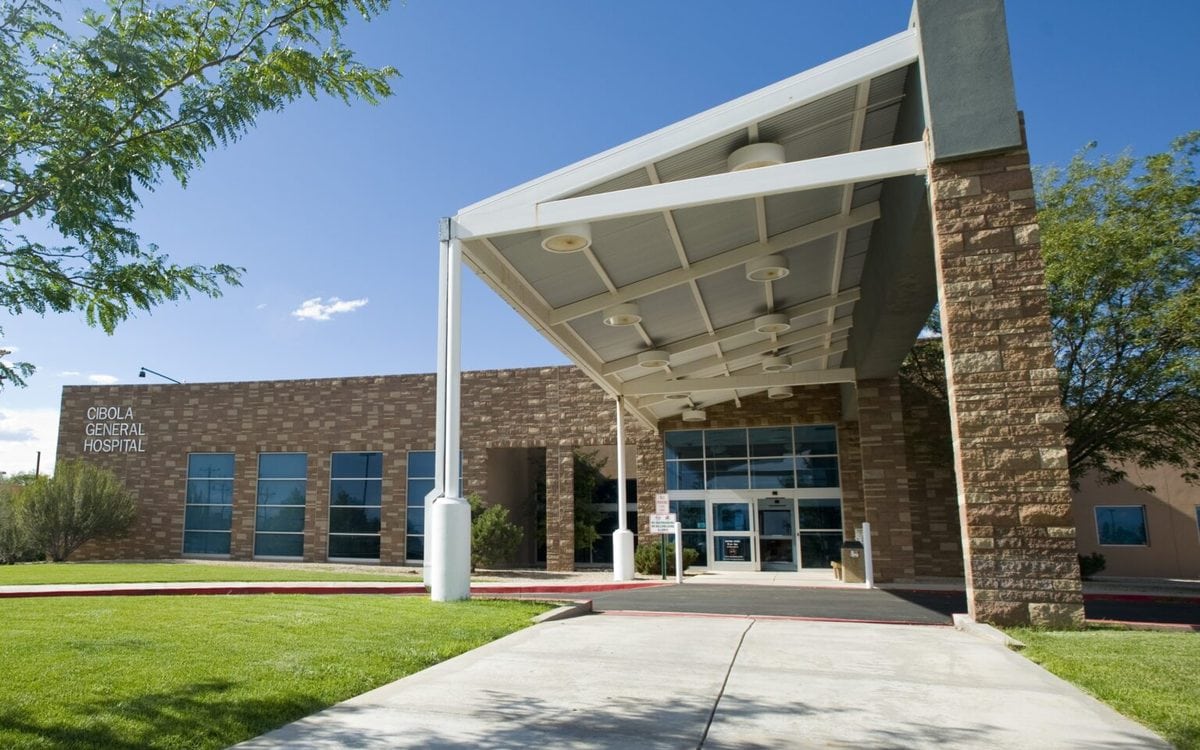
Cibola General Hospital, a 25-bed critical access hospital in New Mexico, uses Ludi to strengthen physician pay compliance by calculating productivity pay from EHR data and tying every payment back to contract terms. The result: compliance visibility into physician payments grew from 0% to 100%, and the team saves about 10 hours every quarterly productivity pay cycle.
The Challenge
About Cibola General Hospital
- Grants, New Mexico
- County-owned, nonprofit critical access hospital
- 25-bed
- Approximately 300 full-time equivalent employees
- About 69 physicians and clinicians
- Services include obstetrics and birthing, primary care and family medicine, radiology, pharmacy, cardiopulmonary care, behavioral health, dietary services, and physical therapy
At Cibola General Hospital, a lean staff means most team members are responsible for more than one job. “Like many working in critical access hospitals, we all wear multiple hats,” said Terrel Pearson, the hospital’s compliance and privacy officer.
One of Terrel’s largest responsibilities is auditing physician pay to confirm each physician and clinician is compensated according to the terms of their contract, but for a long time, the hospital’s approach made that nearly impossible.
Physician compensation processes were a one-person job, with the hospital’s former CFO calculating productivity bonuses by hand each quarter using five to 10 spreadsheets and other manual workarounds. The CFO was the only person who touched each payment, and the productivity figures weren’t backed by data from the hospital’s EHR, so Terrel had no insight into how those numbers were determined.
Terrel worried that if an auditor asked about a specific physician payment, he wouldn’t be able to quickly explain how it was calculated. Without data to point to, it was also hard to explain adjustments to physicians’ work relative value units (wRVUs) when they had questions.
In addition, Cibola’s leadership team wanted to improve how quickly physicians were paid. From start to finish, it took about three weeks for a check to go out. “There was always a delay,” Terrel said. “And physicians were always frustrated by it.”
The Solution
To make that happen, Cibola’s leadership decided to automate as much of the hospital’s physician compensation process as possible. Cibola was referred to Ludi’s physician compensation automation technology by Ovation Healthcare, a shared services provider, in May 2025 and contracted with Ludi less than 60 days later.
Terrel saw the adoption of Ludi’s technology as a chance to bring more structure and compliance oversight to Cibola’s physician pay. His focus included amending any contracts that didn’t meet fair market value (FMV) standards and implementing consistent processes across the physician community, without exceptions. He also took a methodical approach to change management during the implementation, setting up a physician training program, centered around the physicians’ schedules, to explain the benefits of the new software and teach them how to use it.
Ludi’s implementation team, led by VP of Implementation Amy Bernadt, worked alongside him. When the hospital wanted to go live on a tighter timeline than Amy felt comfortable with, she told them. “I really appreciated the transparency with Amy,” Terrel said.
Compared to other software implementations, I’d give Ludi five stars. When it came to answering our questions, the support and clarity were really good.
Terrel Pearson
Compliance & Privacy Officer, Cibola General Hospital
Looking back, Terrel says he’d make even more use of the implementation team’s expertise. He encourages other compliance leaders to bring their questions to the team and draw on its experience with other hospitals, even when they feel they should already know the answer. “Really take advantage of having Amy and her team there,” he said.
The Results
Asked how quickly he noticed a difference after going live with Ludi, Terrel didn’t hesitate. “From a compliance standpoint, day one,” he said.
1. Full Visibility Into Every Productivity Payment
Cibola now calculates all of its productivity payments through Ludi using data from its Oracle Health EHR and the terms of each physician’s contract. “It’s a night and day difference,” Terrel said. “I had zero visibility before implementing Ludi, and now I have 100% visibility.”
If another hospital asked me about Ludi, I’d tell them to go for it, especially if they don’t have the processes and visibility the OIG expects.
Terrel Pearson
Compliance & Privacy Officer, Cibola General Hospital
2. A Physician Pay Compliance Process Built From the Ground Up
Before Ludi, Cibola didn’t have a formal physician pay compliance procedure for reviewing productivity payments. “We didn’t have a process in place that allowed multiple leadership members to review it,” Terrel said. “So it’s created this process for us that we needed to have.”
Now, Cibola’s vice president of regulatory, risk, and professional practice development reviews each productivity statement, compares it with past payments, and either approves it or follows up with the physician. A weekly report then goes straight to payroll.
Ludi also gives Cibola a central place to find the records behind each payment. Instead of having to dig through countless files, Terrel can pull up a physician’s payment history with a quick search. “It’s not tucked away in some random spreadsheet or file folder,” he said.
Together, these changes have given Cibola a more consistent way to review payments and access the documentation behind them. For Terrel, those changes have had a significant impact. “We’re definitely a much more compliant company than we’ve been since I’ve been the compliance officer,” he said.
3. Physicians Have More Visibility Into Their Compensation
Cibola’s physicians can now log time and upload receipt photos from their phones instead of printing and submitting check requests. They also have access to their own compensation data, making it easier to understand how their wRVU totals are calculated.
Terrel says this transparency helps physicians weigh trade-offs when it’s time to renegotiate their contracts. “If they want a bigger bonus and want to lower their salary, or whatever it is they want to do, the data is there to help guide their choices,” he said.
4. Hours Back Every Pay Cycle
Terrel estimates Ludi has saved Cibola about two hours each pay cycle and about 10 hours at the end of each quarter calculating productivity payments. “You’re not having to pull anything or do anything,” he said. The platform also replaced the five to 10 spreadsheets and workarounds the organization’s CFO used to rely on.
Related Case Studies
- How a Critical Access Hospital in Wisconsin Saves Time and Money using Ludi’s Physician Compensation Automation
- How Pipeline Health Strengthened Physician Payment Compliance with Ludi
- How East Alabama Health Cut a Week of Physician Compensation Work Down to Half a Day
Estimated reading time: 6 minutes
A single source of truth for all types of physician pay. Tell us about your business and get expert advice on how Ludi can work for you.